Loadıng
Loadıng
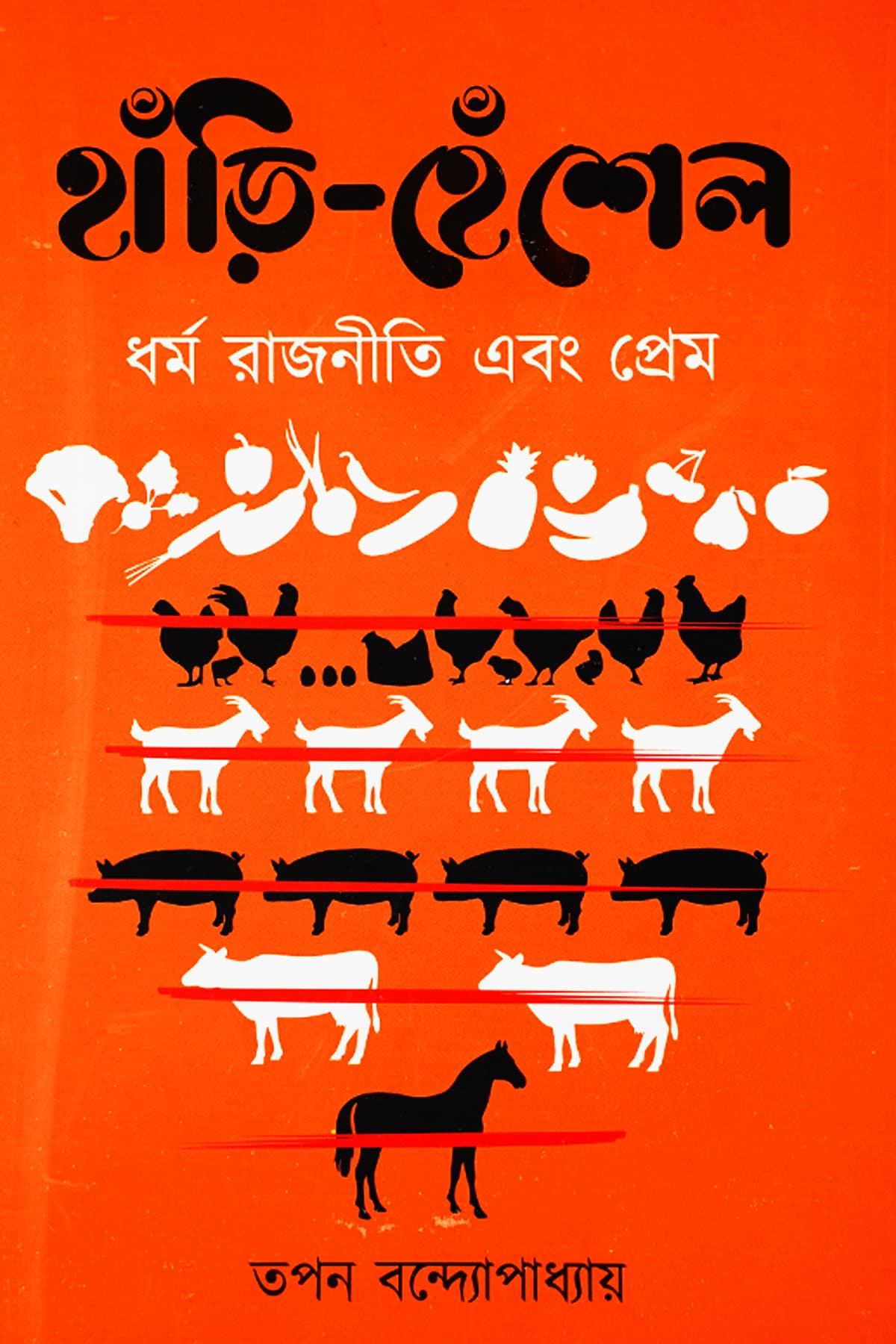

What do people eat, and why do they eat it? They think, adapt, and in the struggle to survive under adverse conditions even transform their food habits, as culinary practices weave…
What do people eat, and why do they eat it? They think, adapt, and in the struggle to survive under adverse conditions even transform their food habits, as culinary practices weave a delicate fabric of mutual trust and intimacy; crossing the creak of a neighbour’s window, love and confidence travel into the kitchen, and food quietly becomes a many-layered sultanama of the world. Food culture is not a neutral or detached subject but a continuously flowing current of human civilisation, and this sixteen-chapter book traces that very stream, analysing how Indian and Bengali food habits—choices of dishes, food rituals, and even modes of serving—shape human identity itself. Though religious and political divisions sometimes surface as conflict, food becomes the living spark of affection, making the meat–vegetarian debate little more than a question of kitchen authority, and in this sense the book is also a book of love; enriched by references ranging from ancient Indian literature, the Vedas and Upanishads to contemporary data, it promises to engage and delight readers.

The author Tapan Bandyopadhyay traces his ancestral roots to Balijuri village in Purba Bardhaman district of West Bengal; his schooling was in Dhanbad, while his college and university education took place in Kolkata, after which he joined a central government service, leaving his research in botany unfinished. After taking voluntary retirement two decades later, he devoted himself to carefully researched and reflective work on social and historical themes, publishing essays in various established journals and magazines; shaped by his family tradition and liberal intellectual outlook, his earlier book Sri Ramakrishna Nirmāṇ—From Rammohan to Vivekananda (2022) reflects this lineage, and the present volume stands as yet another expression of his inquisitive vision, alert intellect, and open mind.
View all books by Tapan Bandyopadhyay