Product Overview
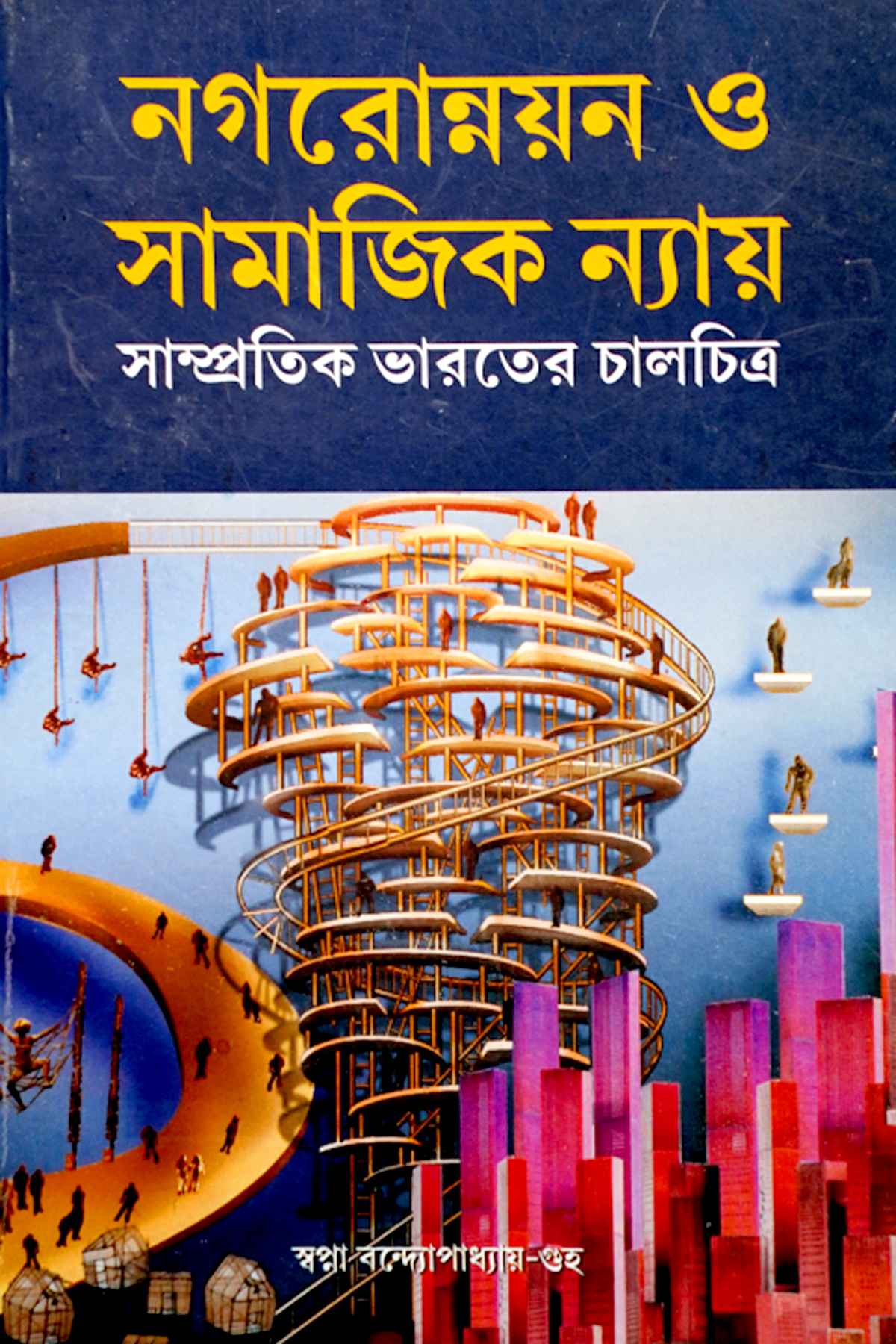
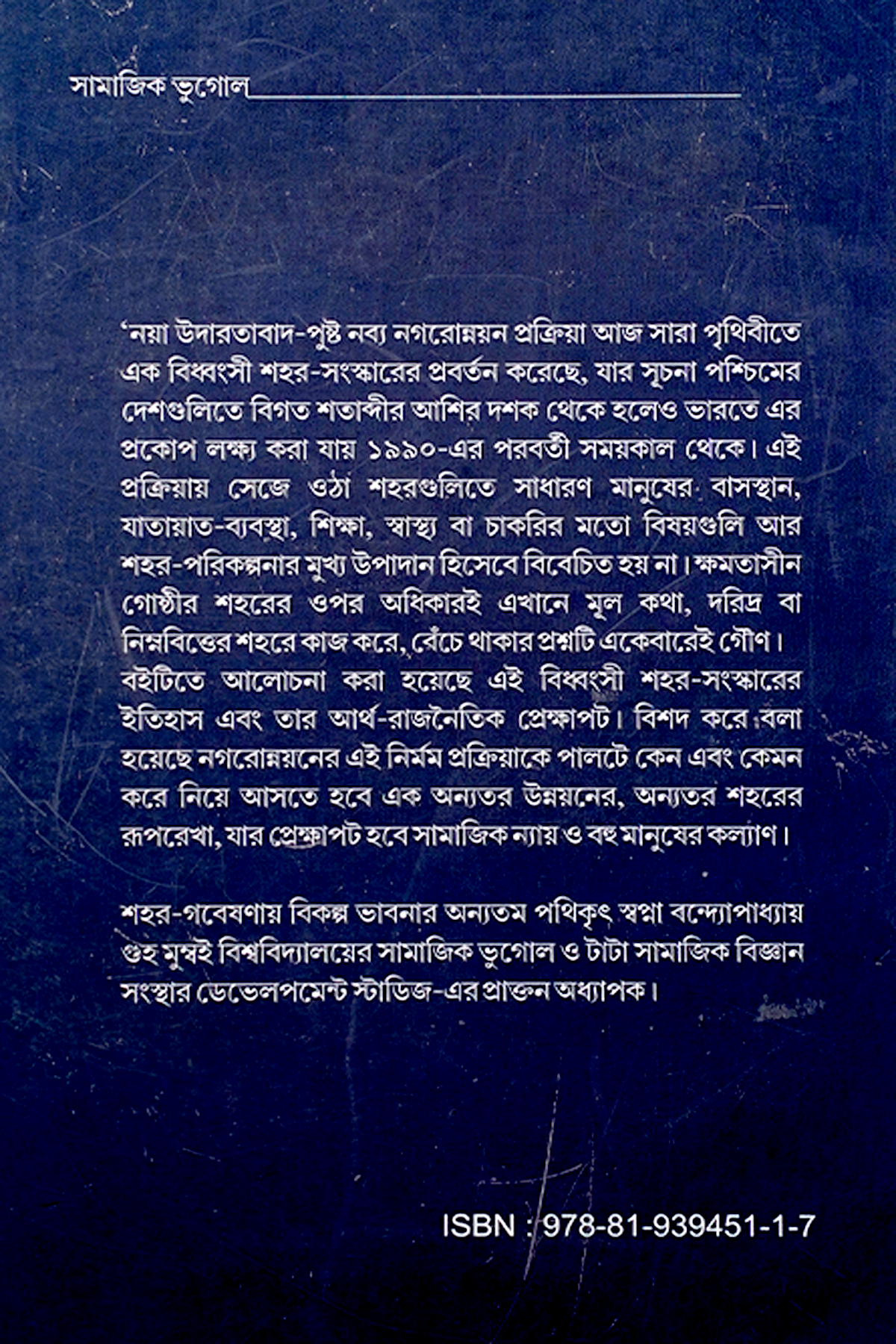
The new liberalism-driven, neo-urban development process has today introduced a destructive form of urbanism worldwide. While it began in Western countries in the 1980s, its impact in India has been noticeable since the post-1990 period. In cities shaped by this process, basic aspects such as housing, transportation, education, health, and employment for ordinary people are no longer considered central to urban planning. The primary concern is the ruling group’s control over the city; for the poor or lower-income residents, questions of work and survival are entirely secondary. This book discusses the history of this destructive urbanism and its socio-economic and political context. It elaborates on why and how this brutal process of urban development must be transformed, outlining an alternative vision of cities grounded in social justice and the welfare of many.
Product Overview
The new liberalism-driven, neo-urban development process has today introduced a destructive form of urbanism worldwide. While it began in Western countries in the 1980s, its impact in India has been noticeable since the post-1990 period. In cities shaped by this process, basic aspects such as housing, transportation, education, health, and employment for ordinary people are no longer considered central to urban planning. The primary concern is the ruling group’s control over the city; for the poor or lower-income residents, questions of work and survival are entirely secondary. This book discusses the history of this destructive urbanism and its socio-economic and political context. It elaborates on why and how this brutal process of urban development must be transformed, outlining an alternative vision of cities grounded in social justice and the welfare of many.
Product Specification
About the Author

No biography available for this author.
View all books by Swapna Banerjee-guha