Loadıng
Loadıng
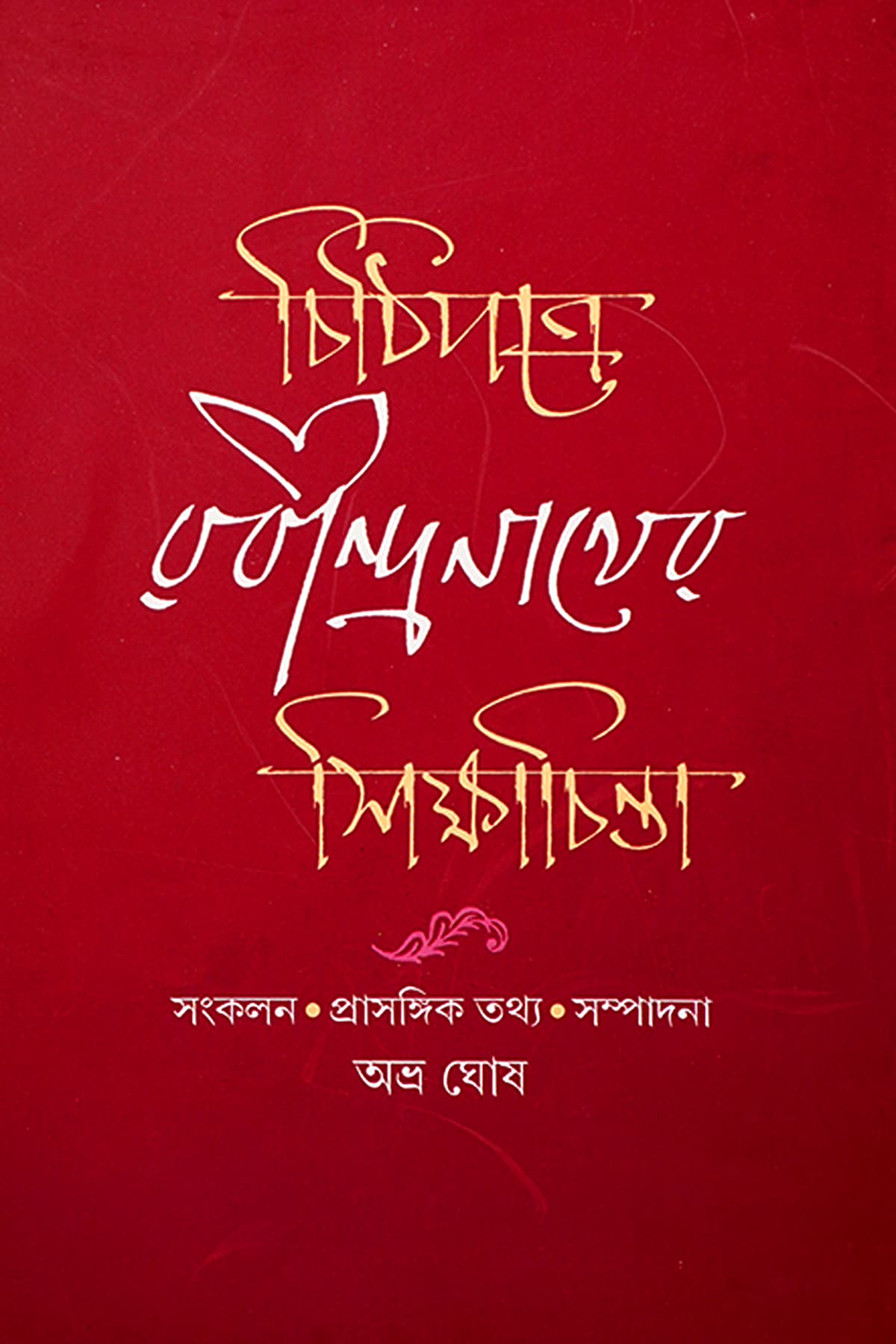
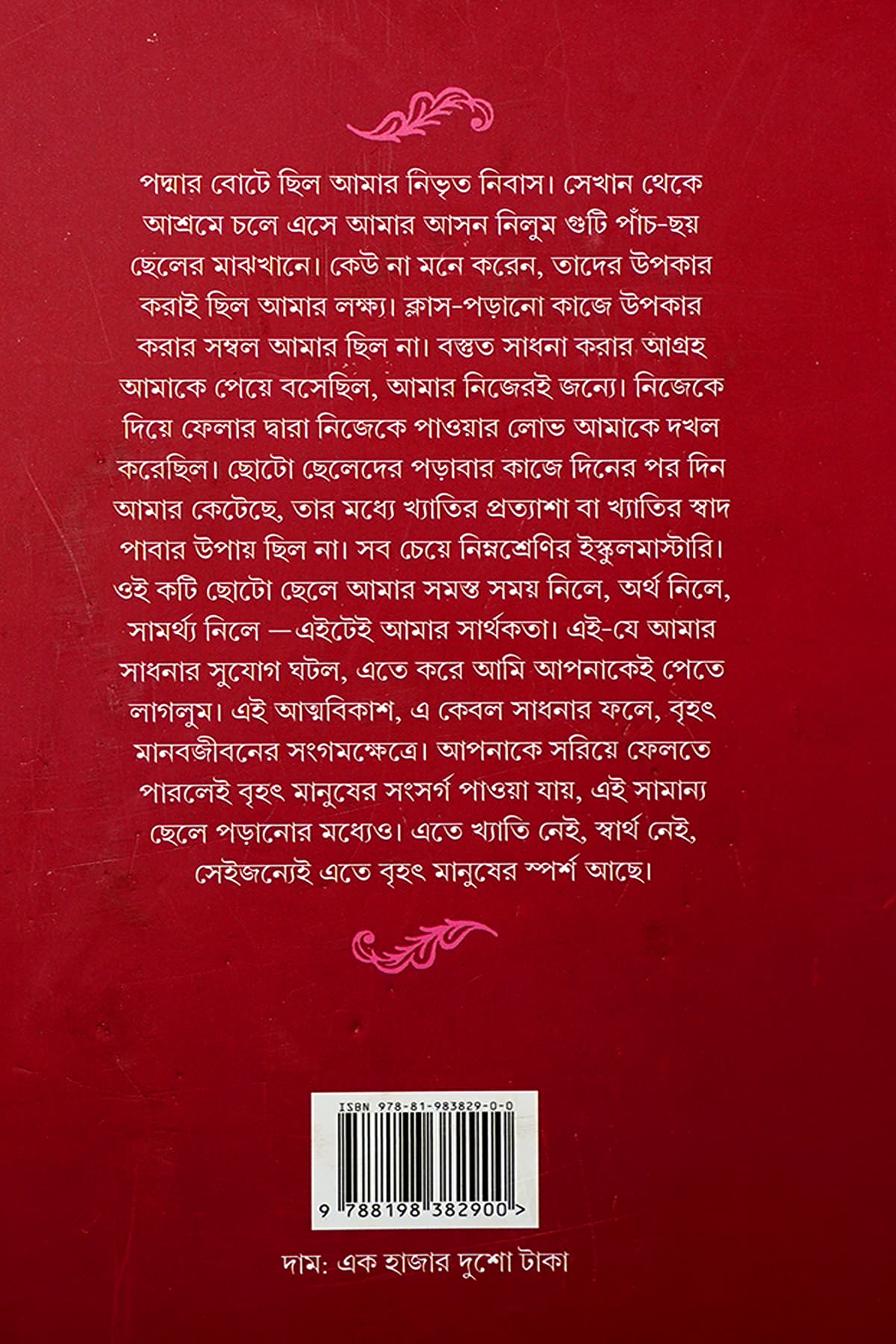
The manifold letters of Rabindranath Tagore reveal, in luminous detail, the unfolding of his educational thought. In his youth, Tagore journeyed to England to study law—not out of…
The manifold letters of Rabindranath Tagore reveal, in luminous detail, the unfolding of his educational thought. In his youth, Tagore journeyed to England to study law—not out of personal inclination, but in obedience to his father’s wishes. That formal education, however, never came to fruition. Yet, within his letters, we glimpse the contours and character of Western education as he perceived it. In 1901, at Santiniketan, he founded the Brahmacharyashram; by 1918, it had evolved into the institution known as Visva-Bharati. Across this long and transformative journey, the structure and philosophy of the poet’s educational vision find eloquent expression in his correspondence. Alongside his numerous essays, articles, and speeches, it is in these letters that we encounter the intimate, domestic history of the educational movement at Santiniketan—the intricate, lived experiences of its inner world. Through the interplay between writer and recipient, there emerges a sequential, almost organic history of Tagore’s educational ideals. This volume preserves a vivid and compelling portrait of that very evolution.

Abhra Ghosh, a retired professor of political science and sociology, is widely acclaimed as a distinguished essayist; he was the founder-editor of the now-defunct journal Bitarkika and is currently the editor of the heritage magazine Parichay. To date, he has authored twelve original collections of essays and edited fourteen volumes, and has also collaboratively translated and edited Nationalism by Rabindranath Tagore.
View all books by Abhra Ghosh