Loadıng
Loadıng
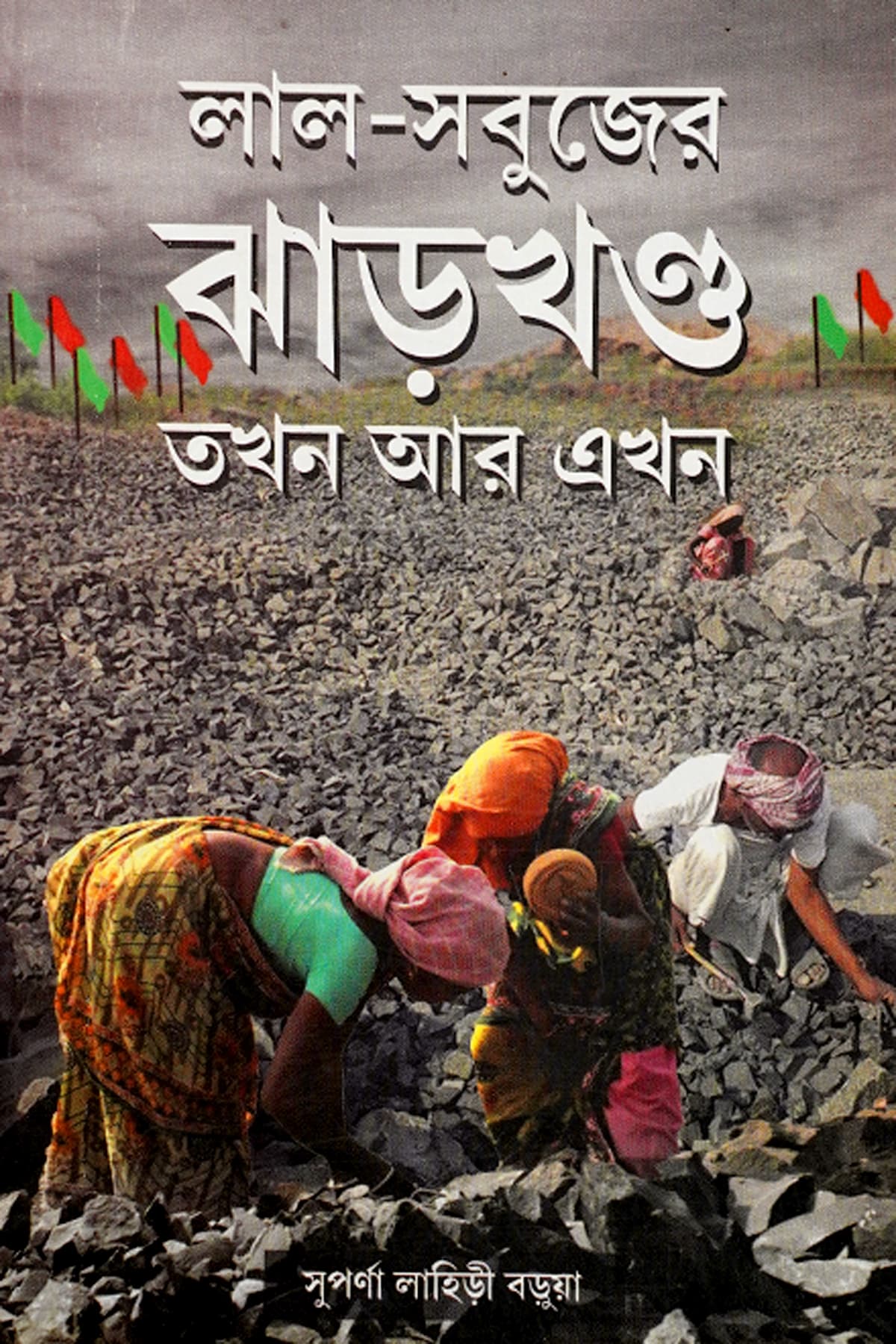
Jharkhand, the neighboring state of West Bengal, was once part of the Rarh region. Over time, it became known as Bihar and later as Jharkhand, yet the interactions and connections…
Jharkhand, the neighboring state of West Bengal, was once part of the Rarh region. Over time, it became known as Bihar and later as Jharkhand, yet the interactions and connections between this land and the Bengali people have persisted for centuries. A section of Bengalis settled here and formed bonds of kinship with the local Adivasi communities. Perhaps for this reason, there was no significant conflict between Bengalis and Adivasis; instead, the Bengalis stood shoulder to shoulder with the Adivasis, participating either in the struggle for a separate state of Jharkhand or in the fight for an exploitation-free Jharkhand. Over time, under the steamroller of “development,” the long sighs of the Adivasi people have been suppressed. Shiny malls, flyovers, and roads cutting through forests are making Adivasis homeless in their own land. In her writing, the author, across seventy-eight chapters, narrates not only the lives of these local marginalized communities but also compels readers to reflect on the propaganda-driven machinery of “development.” This mania for destroying greenery challenges the entire civilization. The tingling of red, sal, and teak leaves, and the procession of resistance—will future generations be able to overcome this vast sea of poisonous grief?